


Forestory-Charm of Stories
4.581.00 Reviews
App Specs
- Version
- 2.1.5
- Updated On
- License
- Free
- Downloads
- 10,000+
- Developer
- ALO.Institute
- Categories
- Puzzle
- Platform
- Android
Screenshots
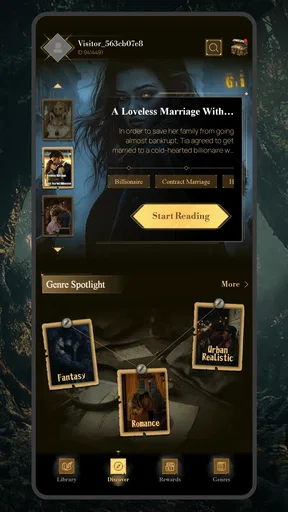
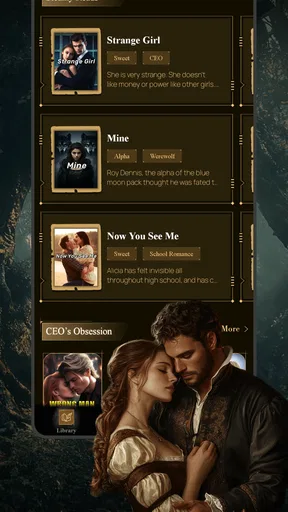
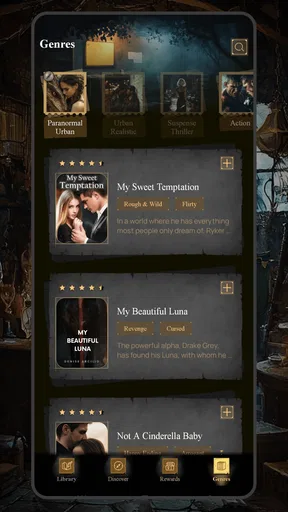
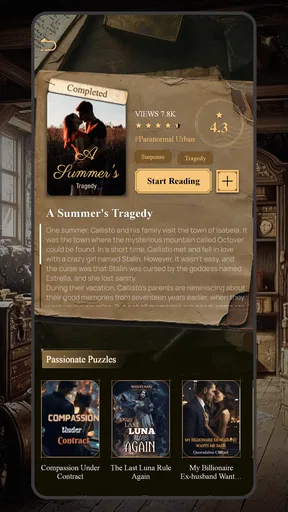
 Analysis by AppCompare
For story lovers who prefer reading in small, quiet moments, Forestory-Charm of Stories presents itself as a mobile puzzle game with a literary focus. The idea is appealing: instead of treating reading as something that requires a long uninterrupted session, it brings novels into the kind of spare time many of us actually have, whether that is during a commute, before bed, or while waiting for an appointment. I spent time looking at how the experience fits into everyday use, where the first obstacles appear, and what kind of reader is likely to enjoy it.
The game comes from ALO.Institute and is free to install, although it includes optional purchases ranging from less than a dollar to amounts approaching a hundred dollars per item. That pricing range is worth keeping in mind before becoming deeply invested. Forestory is aimed at mature users, with a 17+ content rating, so it is not a sensible choice for younger readers simply because the presentation may look approachable. Its store presence is still relatively modest, with over ten thousand installs, but an average rating of 4.5 from a few hundred ratings suggests that the people who connect with it generally respond well.
Getting past the first points of friction
The biggest challenge with a reading-centered game is understanding what the app expects from you. A conventional novel reader usually explains itself quickly: choose a book, open a chapter, and continue reading. A puzzle game normally teaches its rules through interaction. Forestory sits between those two habits, so a new user may need a moment to understand whether the main activity is simply reading, discovering content, sharing it, or engaging with the material in a more game-like way.
That uncertainty can make the opening feel less immediate than a standard ebook app. I would not judge the experience too quickly after the first screen. Give yourself time to identify the difference between a story selection, a reading action, and anything that appears to be part of the app’s broader game layer. When an application combines two familiar formats, the first few minutes are often about learning its vocabulary rather than enjoying its deepest content.
A useful approach is to begin with one story instead of trying to explore everything at once. Read enough to understand how Forestory presents its novels and how you return to them later. This creates a simple baseline: if the reading flow feels comfortable, you can then investigate the discovery and sharing elements; if it feels confusing from the beginning, you will know that the issue is with the app’s structure rather than with your reading habits.
Another common sticking point is expecting the app to behave exactly like a dedicated ebook library. Forestory is better understood as a hybrid experience. Its appeal comes from combining literary discovery with a more interactive mobile format, not from replacing every feature of a mature reading platform. If your priority is a large personal library, advanced book organization, or a highly specialized reading environment, a conventional ebook app may feel more direct.
The most important early adjustment is to treat Forestory as a story-discovery game first and a traditional reader second. That mindset makes the interface easier to evaluate. You are not only asking whether a page is comfortable to read; you are also asking whether the app makes you curious enough to continue exploring.
Worth Reading Before You Choose

Baby Panda World Brings Quick Play to Modern Phones, but Its Game Library Feels Busy

ESPN’s Live Game View Makes Following Close Games Easier

QuizzLand Review: A Good Fit for Short Trivia Breaks, Not Every Player

Basketball Stars: Multiplayer Is Fast, but Can It Recover When Matches Go Wrong?

WEBTOON Turns Phone Updates Into a Better Reading Routine

Link to Windows Runs on Shared Habits, Not Social Feeds
Simple checks before settling in
Before blaming the application for a poor first session, I recommend making a few ordinary checks. Confirm that the phone is running a compatible version of the operating system. Forestory supports Android 7.0 and later, so an older device may be the first thing to investigate if installation or basic operation behaves strangely. On a supported phone, close other demanding applications and reopen Forestory if the first launch feels unusually slow.
It is also sensible to check your connection before assuming that story content is unavailable. An app designed around discovering, reading, and sharing material may need access to online content at certain points, even if some reading activity later feels more self-contained. A weak connection can make an empty screen look like missing content, while a brief restart after reconnecting may resolve the problem without any complicated troubleshooting.
Keep the app updated as well. The current version is 2.1.5, and using an older build can create avoidable differences between what the service expects and what your device is running. Updates do not guarantee that every issue disappears, but they are a sensible first step before changing settings or reinstalling anything.
Storage is another practical check. Reading apps can accumulate temporary material, images, or other local information as you browse. If your phone is nearly full, installation may fail or the experience may become unreliable. I would free a little space before removing the app, particularly if you have already started reading and want to avoid unnecessary disruption.
Notifications and battery settings can also affect the rhythm of use. If your phone restricts background activity aggressively, the app may not behave as promptly when you return to it. I would not disable every battery safeguard automatically, but I would check whether the system has placed Forestory into a restricted category. This is especially useful when the app opens normally yet seems to lose its place or refresh more often than expected.
A calmer way to test the reading flow
When I evaluate a mobile reading experience, I prefer testing it in three different situations rather than relying on one long session. First, I open a story on a stable connection and read for a few minutes. Next, I leave the app and return later. Finally, I try it in a less ideal situation, such as a busy network or a device with several applications open. This reveals whether the problem is consistent or only appears under particular conditions.
That method is especially helpful here because Forestory combines reading with discovery and sharing. If a story opens correctly but sharing does not, the reading component may be fine while the connection or system share process is responsible for the interruption. Separating each task prevents a single failure from making the entire app seem broken.
I also suggest starting with a short session rather than planning an entire evening around it. This is not because the app lacks ambition; it is because the best way to decide whether its format suits you is to observe how naturally you can pause and resume. People who enjoy short bursts of reading may find this approach comfortable, while readers who want a completely uninterrupted, book-length session may prefer a more traditional application.
Recovering your routine when something goes wrong
If Forestory stops responding, begin with the least disruptive fix: leave the current screen, close the app normally, and open it again. If the issue remains, restart the phone. These steps sound basic, but they distinguish a temporary session problem from something that survives a clean relaunch. I would avoid immediately clearing all local app information, because that can remove convenient local state and make it harder to tell what actually solved the problem.
When a story seems to disappear, first retrace the path you used to find it. A discovery-based app may not present content in exactly the same way every time, and a story that was visible in one area may need to be found through the same browsing route rather than through a permanent library-style list. Take note of the title or any distinctive wording before leaving a story. That small habit makes recovery much easier if you need to locate it again.
For users who share reading material, troubleshoot the sharing step separately. Try the phone’s normal share controls with another application to see whether the system share panel is functioning. If other apps share normally but Forestory does not, reopen the game and retry from the story itself. If the entire phone has trouble presenting sharing choices, the problem is more likely to be at the operating-system level than inside the reading experience.
Purchases deserve extra care. Because the game is free to install but offers optional items from $0.99 up to $99.99, I would avoid tapping through quickly when exploring the interface. Read the confirmation screen carefully and make sure the device account is the one you intend to use. If you are testing the app for a child or sharing a device, the mature rating already makes Forestory unsuitable for that audience, and purchase controls should be treated as an additional reason to keep access supervised.
If reinstalling becomes necessary, consider what you might lose from the current session before doing it. A reinstall can be useful when files are damaged or an update has not applied cleanly, but it is not a first-choice solution for a single frozen screen. I would try a restart, a connection check, and an update first. Reinstall only when the problem is repeatable and those simpler steps have failed.
When the phone or connection is the real culprit
Not every interruption points to Forestory itself. A crowded wireless network can make story discovery appear empty or slow. A phone with very little free space can make several unrelated apps misbehave. An aggressive system cleaner may close the game whenever you switch away, which can look like lost progress even though the operating system is ending the session.
The quickest way to separate these causes is to compare conditions. Try the same action on a different connection, after freeing some storage, or immediately after restarting the device. If the behavior changes, you have useful evidence that the surrounding environment matters. I prefer this kind of small comparison to changing many settings at once, because it preserves a clear idea of which adjustment helped.
Operating-system compatibility matters too. The minimum requirement of Android 7.0 covers many older phones, but compatibility alone does not make every device equally comfortable for reading. Screen size, brightness, battery health, and memory can all affect how pleasant a long session feels. Someone may technically be able to run the game yet still dislike it because the device makes text tiring to read or repeatedly closes background tasks.
Content expectations can create another false alarm. The 17+ rating means readers should approach the catalog with mature subject matter in mind. If you are looking for children’s fiction, family reading, or a tightly controlled classroom environment, the issue is not a technical fault. Forestory simply is not designed for that use case, and a child-friendly reading platform would be the better choice.
Where Forestory fits among familiar alternatives
Compared with a standard ebook reader, Forestory has a more exploratory personality. A dedicated reader usually wins for organizing a large collection, maintaining a quiet reading environment, and supporting people who already know exactly which book they want. Forestory is more interesting when you want to discover stories through a mobile experience that feels less like opening a file and more like entering a themed space.
Compared with a general social reading platform, it has a narrower identity built around novels and story sharing rather than being a broad community feed. That can be an advantage if you want the literary focus to remain central. It can also be a limitation if your main goal is extensive discussion, detailed reader profiles, or the widest possible range of community tools. I would choose based on whether discovery and reading are more important to you than a large social layer.
Compared with a conventional puzzle game, Forestory is a gentler fit for people who want narrative content rather than constant challenge. The trade-off is that users expecting tightly defined levels, rapid feedback, or a familiar puzzle loop may find the literary format slower. It rewards curiosity and patience more than reflexes. That makes it suitable for a quiet break, but less suitable when you want a quick competitive game.
One practical advantage is that the free entry point lets you examine the basic experience before deciding whether optional purchases belong in your routine. My advice is to judge the reading and discovery flow first. If those parts do not hold your attention, spending money will not solve the underlying mismatch. If they do work for you, consider purchases only after understanding what they add and whether they genuinely improve your personal way of using the app.
Who will enjoy it, and who should choose something else
I can recommend Forestory to readers who like finding unfamiliar novels, prefer using a phone instead of carrying a separate reader, and enjoy the idea of sharing discoveries. It is particularly suited to fragmented schedules. Imagine having ten minutes before a train arrives: rather than opening a large library and deciding what to read, you can use that short window to explore a story and continue later if the app fits your rhythm.
It also makes sense for someone who wants reading to feel a little more interactive without committing to a full action game. The literary focus gives the experience a calmer center, while the game classification suggests that discovery is part of the appeal. I would still recommend approaching it with realistic expectations, because it is unlikely to replace every function of a dedicated reading tool.
I would steer away from it if you need a child-safe environment, dislike mature-rated material, or want a completely distraction-free ebook reader. It is also not my first choice for someone building a carefully organized digital library or demanding advanced reading controls. In those cases, a specialized ebook application is the more practical option. Likewise, if your ideal mobile game is based on quick puzzles and constant progression, a conventional puzzle title will probably feel more satisfying.
My practical verdict after using the format
Forestory-Charm of Stories is an unusual proposition because it asks reading and gaming to share the same space. That combination will not suit everyone, but it gives the app a clear personality. I like it most as a discovery tool for mature readers who want novels available in short, flexible sessions and who do not mind learning a less familiar flow at the beginning.
The main lesson from using it is to separate expectations from troubleshooting. Start with a supported Android version, a stable connection, enough storage, and the latest build. Test discovery, reading, returning to a story, and sharing as separate actions. If one of those steps fails, investigate that step rather than assuming the whole game is unusable. This approach saves time and makes the experience easier to judge fairly.
ALO.Institute has created something more specific than a basic reading utility, and the 4.5 average from around three hundred ratings indicates that its blend of stories and mobile interaction has found an audience. The game’s current version, 2.1.5, gives new users a sensible starting point, while the free installation lowers the risk of trying it. Just remember that optional purchases can become expensive, and the mature rating should guide who gets access.
My final recommendation is straightforward: try it if you want story discovery with a game-like identity, especially for short reading sessions and sharing moments with friends. Skip it if you want a pure ebook shelf, a children’s catalog, or a traditional puzzle loop. For the right reader, Forestory offers a pleasant change from ordinary reading apps; for everyone else, its hybrid design may feel like an extra layer rather than a benefit.
Pros
- Charming visual style creates a relaxing
- storybook-like atmosphere.
- Short story sessions are convenient for quick breaks or bedtime reading.
- Gentle pacing makes it accessible to casual players and non-gamers.
- Exploration encourages curiosity without demanding fast reflexes.
- Themed content can appeal to players who enjoy cozy
- narrative experiences.
Cons
- Some story elements may feel too simple for players seeking deep narratives.
- Progress can become repetitive after extended play sessions.
- The relaxed pace may not suit users looking for action or challenging gameplay.
- Certain content or features may require in-app purchases or extra downloads.
- Performance and loading times may vary across older Android and iOS devices.
FAQs for Forestory-Charm of Stories
What is Forestory – Charm of Stories?
Forestory – Charm of Stories is a story-focused mobile experience designed for users who enjoy reading, discovering, and interacting with narrative content. The app presents a collection of charming stories in a visually appealing format, making it suitable for relaxing sessions and casual entertainment. Depending on the available content and version, users may be able to browse different genres, follow characters, and unlock additional parts of selected stories.
Is Forestory – Charm of Stories free to download and use?
The application can generally be downloaded at no initial cost, but some features, story chapters, items, or premium content may require in-app purchases. Before downloading, users should review the store listing for the current pricing model, subscription details, and any restrictions. Free access may be enough to explore the app, while completing certain stories or accessing exclusive content could involve optional payments.
Does Forestory – Charm of Stories require an internet connection?
An internet connection may be needed when launching the app for the first time, loading story content, synchronizing progress, displaying advertisements, or accessing new chapters and online features. Some previously downloaded material might remain available offline, but this should not be assumed for every story. Users who plan to read while traveling should test offline access beforehand and keep the app updated.
Is Forestory – Charm of Stories suitable for children?
The app’s suitability for children depends on the themes, language, age rating, and individual stories included in the current version. Parents should check the official store rating and read the app’s content description before allowing younger users to play or read independently. If the app includes purchases, advertisements, social features, or mature subjects, parental controls and purchase restrictions are recommended.
What should I check before downloading Forestory – Charm of Stories?
Before installing Forestory – Charm of Stories, check whether your Android or iOS device meets the listed requirements and has enough free storage for the application and possible content updates. It is also worth reviewing permissions, privacy information, supported languages, in-app purchase terms, and recent user feedback. Confirm that the developer and download source are official to avoid modified or unsafe versions.


